We’re used to seeing countries disputing over land, but this Caribbean nation is currently fighting for water.
In Jamaica, the land of wood and water, residents can access only about 1% of the country’s beaches. The other 99% is locked away behind private owners, most of whom operate in the tourism industry.
Jamaica’s beach laws are quite old-school and filled with loopholes that foreign corporations exploit to their benefit.
For instance, the Beach Control Act of 1956 is still in use today. This colonial-era policy states that the foreshore (the area between high and low tides) belongs to the government and cannot be privately owned. Conveniently, this policy does not restrict ownership of the land leading up to the foreshore.
This means that foreign investors can buy up the land in front of beaches, turn it into private property and make it extremely difficult for locals to access the actual shore.
This formula is the blueprint of the Jamaican tourism industry that prioritizes foreign profit over local autonomy.
But was Jamaica always destined for this path?
The Tales of Two Jamaicas
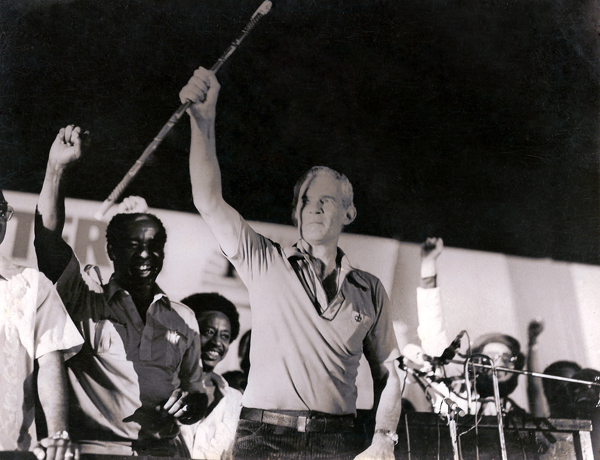
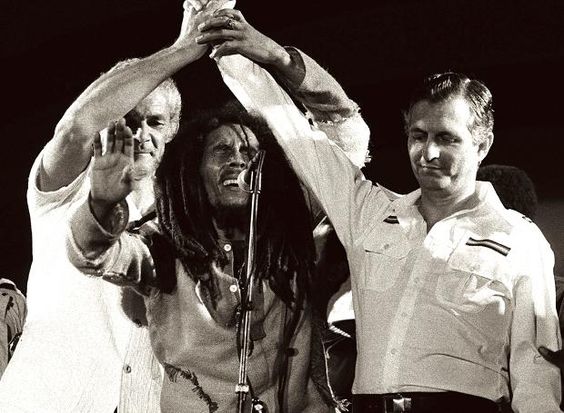
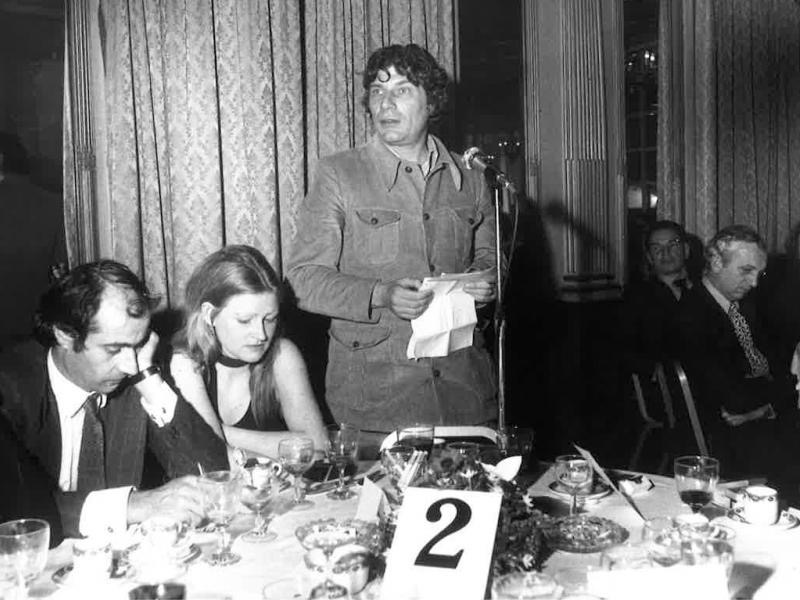
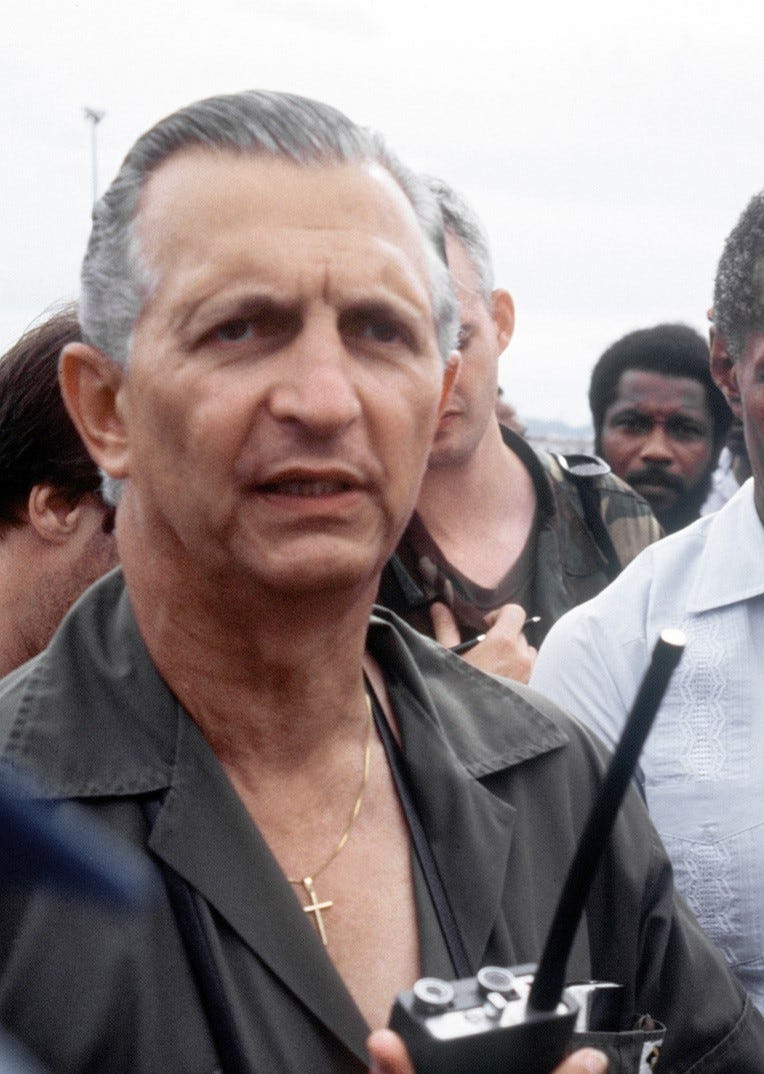
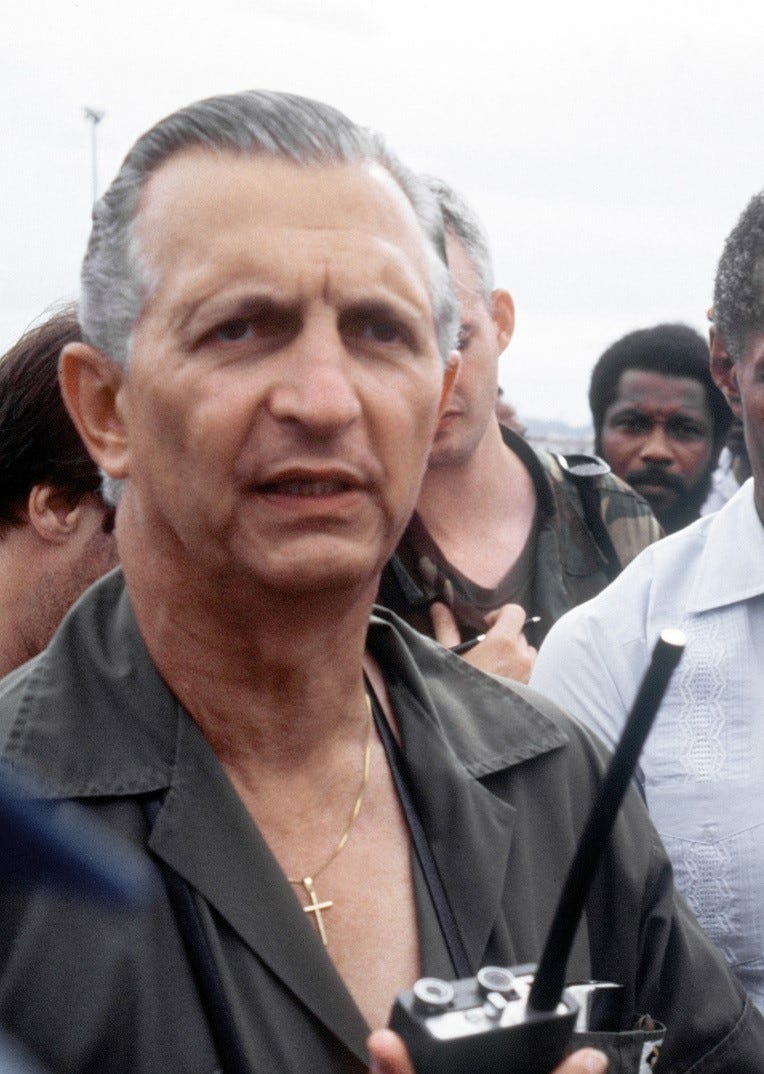
The country’s 1980 election was a battle between capitalism and democratic socialism. Edward Seaga of the Jamaican Labour Party (JLP) campaigned for more foreign ventures, fewer regulations and quick turnarounds on investments.
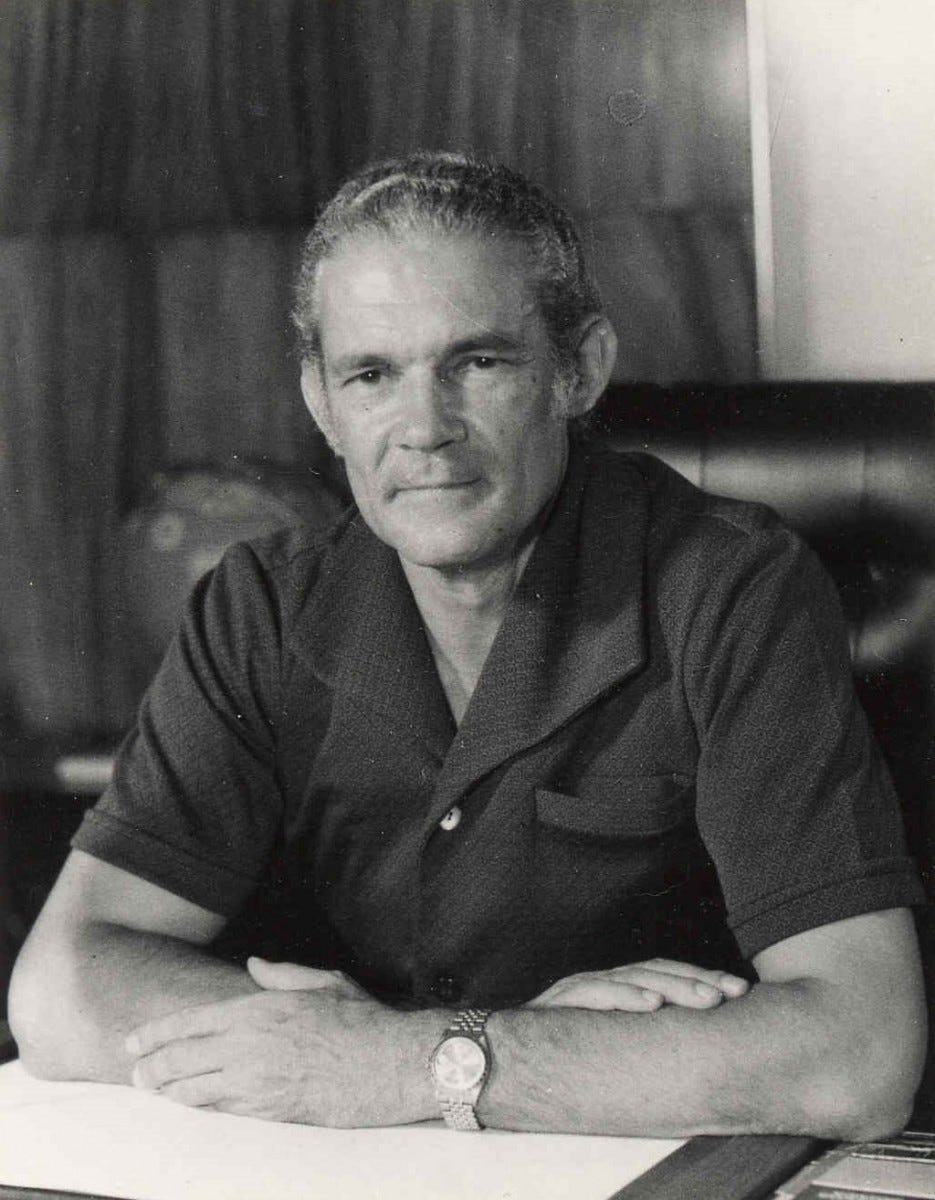
His opposition, Michael Manley of the People’s National Party (PNP), wanted to play the long game and acknowledged that the new country would need to strive and struggle first to reap benefits later.
It is a policy that calls the poor of the world to stand together, to struggle together, to struggle for change, to struggle for justice, to struggle through organization, to struggle through will, to struggle through determination, to struggle to build a new kind of world in which your children and mine will walk with more dignity.
Michael Manley, Campaign Rally Speech, 1980 General Election Campaign
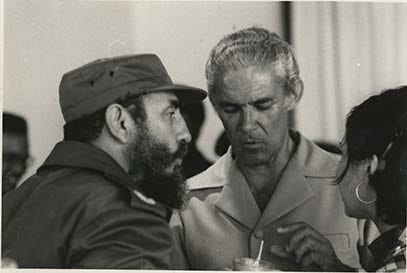
Manley had already served as Prime Minister, but he needed more time to build Jamaica and the Caribbean into an independent powerhouse free from imperial influence. He tried weaning the country off IMF loans and opened up collaborative programs with neighbouring countries in an attempt to break the cycle of foreign debt dependency.
The US was never pleased with Manley and saw him as a radical to eliminate. Manley made several claims of the CIA attempting to assassinate him, but the US labelled him paranoid and denied these allegations. What they couldn’t deny is their meddling in the 1980 election.
Recently declassified documents show that the White House backed Seaga and offered funding and support to his campaign. When Seaga won the general election, his vision of prioritizing tourism as the main economic driver quickly materialized.
Jamaica was now for sale, and foreign investors lined up to buy.
Seaga didn’t lie when he said that tourism was exorbitantly profitable. The main question is: for whom?
Sixty cents on a dollar
Jamaica currently has a leakage rate of around 60-70% in relation to the tourism industry.
Essentially, for every $1 spent by tourists, $0.60 flows away from the locals and goes towards imports, travel agencies, foreign owners, etc. The high leakage rate reveals that the longstanding argument that tourism boosts the local economy might not be that simple after all.
Of course, many locals are employed within the tourism industry, but work at the lower levels away from ownership and management. Tourists do have the freedom to engage in local commerce, but up to 75% of tourists choose all-inclusive resorts rather than traditional hotels or independent villas. That means their food, drinks, shopping, partying and other forms of entertainment are all confined within the all-inclusive ecosystem.
Thanks to policies of the 1980s, Jamaica is now a tourist’s playground that closely resembles similar structures from the 18th-century plantation system. In fact, many of these high-end resorts are literally built on former slave plantations.
The Tryall Club didn’t try very hard to hide their name and history. The luxury club now nestled beside a private beach in peaceful Hanover was once the Tryall Estate, a site of the 1831 Christmas Slave Rebellion. Led by National Hero Samuel Sharpe, the rebellion was a pivotal moment in Jamaica’s fight for freedom. Yet today, this history is washed away by white villas and wellness spas.
“That beach raised us”
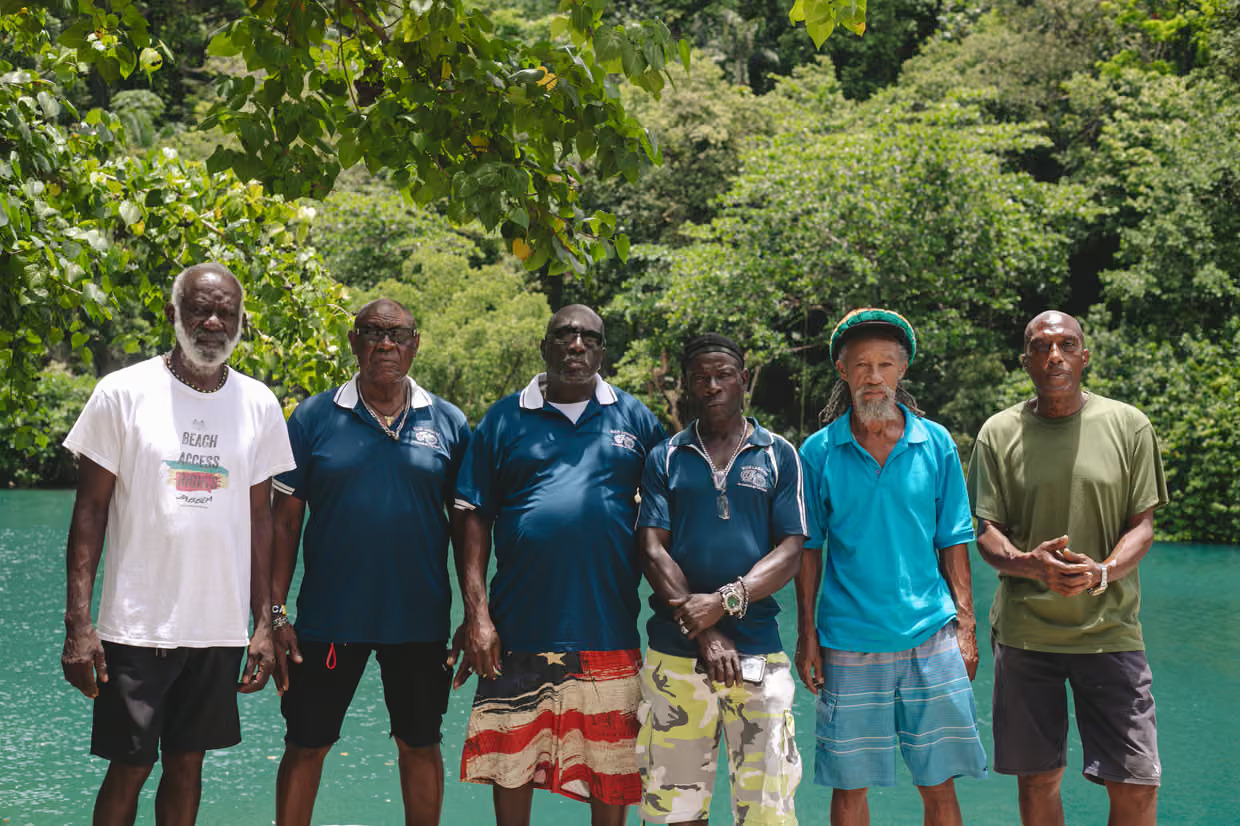
Private resorts control most of Jamaica’s coastline, but local groups are organizing to fight back. The Jamaica Beach Birthright Environmental Movement (JaBBEM) is leading that charge, and its president, Devon Taylor, has a name for what’s happening.
He calls the mass privatization of Jamaica’s beaches “plantation tourism,” due to the similar patterns of restriction and control.
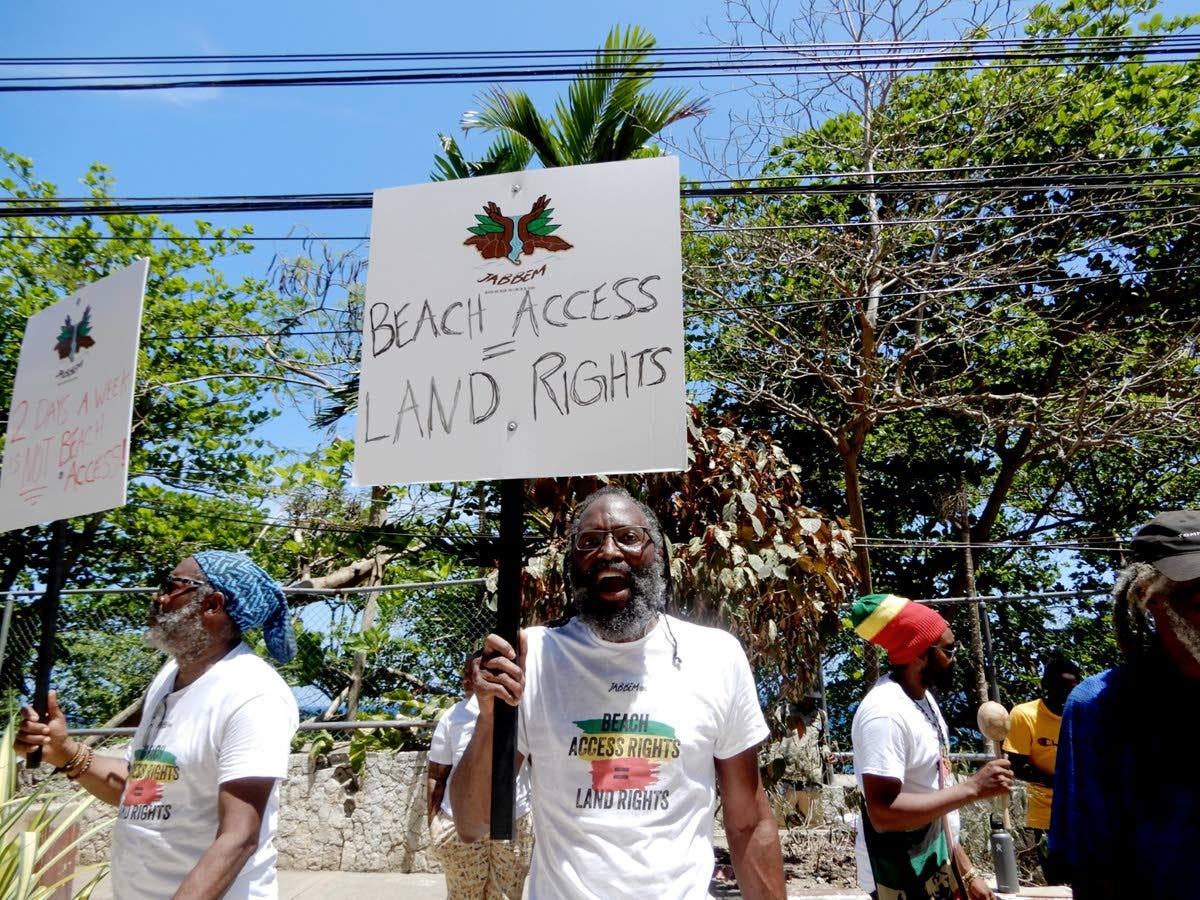
For Taylor, the fight is personal. He grew up by the beach and points out that the coastline isn’t just a place for sunbathing. Locals fish there for their income, children socialize and learn to swim, and elders congregate to soak away their aches in the mineral baths.
The beach is a sacred site.
JaBBEM wants unconditional access to these cultural sites written into the constitution, and they are willing to fight this out in court. Five cases on beach restrictions are currently working their way through the Jamaican legal system.
We know who sold Jamaica back then. The results of these civil battles will decide if Jamaica is still for sale today. This conversation around land and water forces us to confront how old power structures still decide the fate of an entire country.